
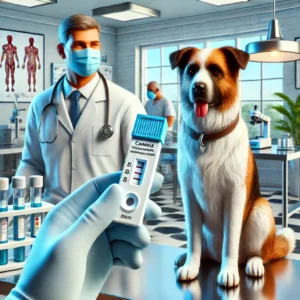
The Canine Infectious Respiratory Disease (CIRD) Antigen Rapid Test Kit serves as a critical tool for the swift and accurate detection of respiratory pathogens in dogs. Commonly referred to as “kennel cough,” CIRD is caused by a complex of viral and bacterial pathogens, including Bordetella bronchiseptica, canine parainfluenza virus, canine adenovirus, and more. This rapid test kit enables veterinarians to detect these pathogens in-clinic, ensuring timely diagnosis and intervention.
Importance of Diagnosing CIRD
Respiratory diseases in dogs are highly contagious, especially in environments such as kennels, shelters, and veterinary hospitals. Early and accurate diagnosis is essential to:
- Mitigate outbreaks in group settings.
- Initiate targeted treatment promptly.
- Prevent secondary infections and complications.
CIRD test kits provide results within minutes, allowing veterinarians to make informed decisions during the same visit.
Pathogens Detected by the Rapid Test Kit
The CIRD Antigen Rapid Test Kit is designed to detect specific antigens from the following pathogens:
- Bordetella bronchiseptica – Learn more about Bordetella bronchiseptica.
- Canine Parainfluenza Virus – Explore detailed research on parainfluenza in canines.
- Canine Adenovirus – Review canine adenovirus epidemiology.
How the Test Kit Works
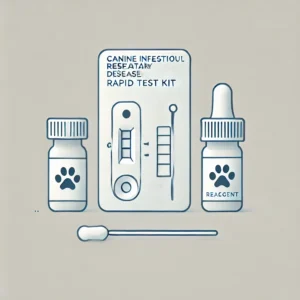
The rapid test kit uses lateral flow immunochromatography technology to detect specific antigens in nasal or oropharyngeal swabs. A positive result indicates the presence of a target pathogen. Here’s a step-by-step process:
- Collect a sample using the provided sterile swab.
- Mix the sample with the provided reagent solution.
- Apply the mixture to the test cassette.
- Read results within 10 minutes.
For detailed methodologies on rapid diagnostic testing, refer to the Centers for Disease Control and Prevention (CDC).

Key Benefits of CIRD Rapid Test Kits
1. Fast Results
Traditional methods like PCR and culture require days to deliver results. In contrast, rapid tests provide actionable data in minutes. This expedites decision-making, especially in critical situations.
Read more about diagnostic methods.
2. Convenient and User-Friendly
Designed for use in veterinary clinics, these kits require minimal technical expertise. Veterinary technicians can easily perform the test with minimal training. For guidelines on testing protocols, visit the American Veterinary Medical Association (AVMA).
3. Cost-Effective
By eliminating the need for external laboratory testing, these kits reduce the financial burden on both clinics and pet owners. For information on veterinary healthcare costs, see the USDA National Agricultural Library.
4. Prevention of Outbreaks
In shelters or kennels, a single infected animal can trigger an outbreak. Rapid identification of affected dogs ensures swift isolation and reduces transmission. Learn more about outbreak control strategies at the US Department of Agriculture.
Limitations and Considerations
While rapid tests offer unparalleled convenience, they have limitations:
- False negatives can occur in cases of low antigen levels.
- Confirmatory testing via PCR or culture may still be necessary in certain situations.
For a deeper understanding of test accuracy, refer to NIH resources on diagnostic testing.
CIRD Management After Diagnosis
Once a positive result is obtained, the following steps are crucial:
- Isolate the affected animal to prevent the spread of pathogens.
- Administer targeted antibiotics for bacterial infections like Bordetella bronchiseptica or antivirals for viral infections.
- Monitor for signs of secondary complications such as pneumonia.
For best practices in treatment, consult Veterinary Partner.
Conclusion
The Canine Infectious Respiratory Disease Antigen Rapid Test Kit is an indispensable tool for veterinarians, enabling timely and effective management of respiratory infections in dogs. By integrating this testing method into routine practice, clinics can improve patient outcomes, control outbreaks, and ensure a higher standard of care.
For additional resources, visit:
- National Center for Biotechnology Information (NCBI).
- Food and Drug Administration Veterinary Resources.
- Cornell University College of Veterinary Medicine.
- American College of Veterinary Internal Medicine (ACVIM).
Through the use of CIRD Rapid Test Kits, the veterinary community can enhance their diagnostic capabilities and better safeguard canine health.