
Introduction
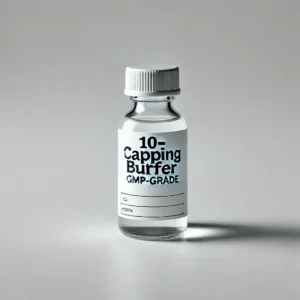
The development and production of high-quality RNA-based therapeutics and vaccines require precise components to ensure stability, efficiency, and scalability. Among these, 10×Capping Buffer GMP-grade plays a pivotal role. This specialized buffer, designed for enzymatic 5′ capping of in vitro transcribed (IVT) RNA, is critical for enhancing mRNA stability and ensuring its translational efficiency. Its GMP compliance ensures that it meets rigorous pharmaceutical standards, making it indispensable in research and clinical-grade manufacturing.
Explore more about GMP standards in RNA therapeutics at the Food and Drug Administration (FDA) and World Health Organization (WHO).

Key Role of Capping in RNA Technology
The addition of a 5′ cap structure to mRNA ensures:
- Protection Against Degradation: The cap prevents exonuclease-mediated degradation of mRNA, prolonging its lifespan in biological systems. Learn about RNA stability mechanisms from the National Library of Medicine (NLM).
- Efficient Translation Initiation: The cap interacts with translation machinery to ensure accurate and efficient protein synthesis (NIH Resources on RNA Translation).
- Immune Evasion: Properly capped RNA is less likely to trigger innate immune responses, a critical factor in therapeutic applications (CDC on Immune Modulation).
Features of the 10×Capping Buffer GMP-Grade
- Optimized Formulation: Designed for high enzymatic efficiency, ensuring consistent and reproducible capping reactions. Discover enzyme optimization techniques at PubMed Central.
- High Purity: Manufactured under stringent conditions to minimize contaminants, such as RNases, that could degrade RNA. Review best practices in RNA handling at the RCSB Protein Data Bank.
- Scalable Production: Suitable for both research and GMP-compliant manufacturing environments, as outlined by Pharmaceutical Manufacturing Standards.
Applications in Biotechnology
1. RNA-Based Vaccines
The COVID-19 pandemic highlighted the importance of mRNA vaccines, where capping buffers play an essential role in producing stable and functional RNA. Learn more from the CDC’s Vaccine Development Page.
2. Gene Editing and Therapy
Capping buffers facilitate the production of therapeutic RNA, used in tools like CRISPR/Cas systems, to enhance delivery and expression. Explore gene therapy advancements at NIH Gene Therapy Resources.
3. Synthetic Biology and Research
Synthetic biology applications, such as creating artificial RNA circuits, rely heavily on precise RNA capping. Insights can be found at the NSF Synthetic Biology Program.
Advantages of GMP-Grade Buffers
- Regulatory Compliance: GMP manufacturing ensures the buffer meets global standards, reducing regulatory hurdles in clinical applications (EMA Compliance Standards).
- Enhanced Reliability: Each batch undergoes rigorous testing for consistency and performance (USP Quality Testing Guidelines).
- Streamlined Approval Process: The use of GMP-grade reagents accelerates drug approval timelines, as highlighted by the FDA Drug Approval Process.
Emerging Trends in RNA Technology
RNA-based therapeutics are rapidly evolving, with applications in cancer immunotherapy, rare genetic diseases, and infectious disease prevention. The 10×Capping Buffer GMP-grade ensures that RNA technologies remain at the forefront of innovation. Check updates on RNA technologies at the DOE Genomics Research Program and NIH RNA Initiatives.
Technical Considerations
- Concentration and Storage: The 10× concentration ensures optimal enzymatic activity while reducing storage volume. Best practices for reagent storage can be found at NIST Biorepositories.
- Compatibility: It is compatible with multiple enzymes and IVT kits, as described in RNA Kit Guidelines by NCBI.
- Endotoxin-Free Production: Essential for clinical applications to minimize immunogenicity risks (FDA Endotoxin Guidelines).

Why Choose GMP-Grade Products for Clinical Research?
The adoption of GMP-grade buffers reflects a commitment to quality and patient safety. Regulatory authorities, including the European Medicines Agency (EMA) and FDA, emphasize the importance of GMP compliance for therapeutic development. This ensures the buffer can be seamlessly integrated into manufacturing workflows, from early-stage research to large-scale clinical production.
Conclusion
The 10×Capping Buffer GMP-grade is a cornerstone in RNA-based innovations. Its application in mRNA synthesis, therapeutic development, and vaccine production underscores its versatility and importance. By adhering to GMP standards, it provides a reliable and high-quality solution for cutting-edge biotechnology.